Mercury is a lustrous, silvery-white, heavy liquid that evaporates readily at room temperature. Metallic mercury acts as a reducing agent and exhibits two commo
Mercury is a lustrous, silvery-white, heavy liquid that evaporates readily at room temperature. Metallic mercury acts as a reducing agent and exhibits two common oxidation states: +2 and +1. It is a relatively inert metal that reacts slowly with oxygen; however, when ground together with sulfur, it reacts to form non-toxic mercury sulfide (HgS)—a reaction frequently utilized to remediate mercury spills. Mercury is insoluble in non-oxidizing acids and bases, yet it dissolves in oxidizing acids, such as nitric acid and hot, concentrated sulfuric acid. Mercury is a highly neurotoxic element; both the elemental form and various mercury compounds possess varying degrees of toxicity and can lead to chronic poisoning. Product Introduction
Foreign name
ercury
Fusing point
-38.9℃
Boiling point
356.6℃
Density
13.59 g/cm³
Main featuresof our company 1. Reasonable price, stable quality and short delivery time 2. According to the policies of different countries, timely follow up orders and arrange shipments, and provide complete customs clearance documents 3. Can notify customers of market price trends in a timely manner 4. Any inquiry will be replied within 12 hours
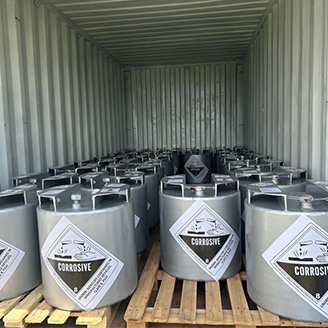
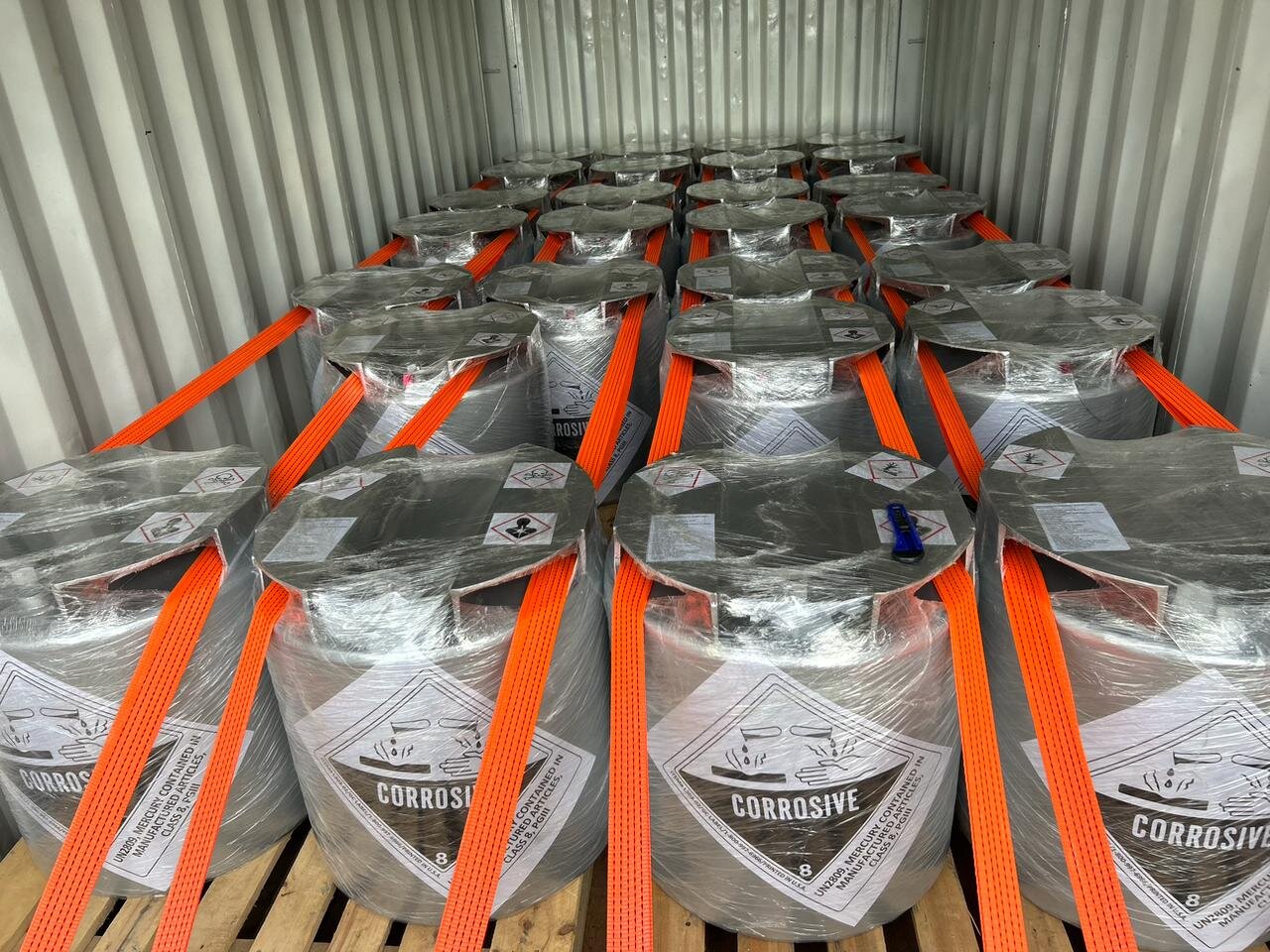
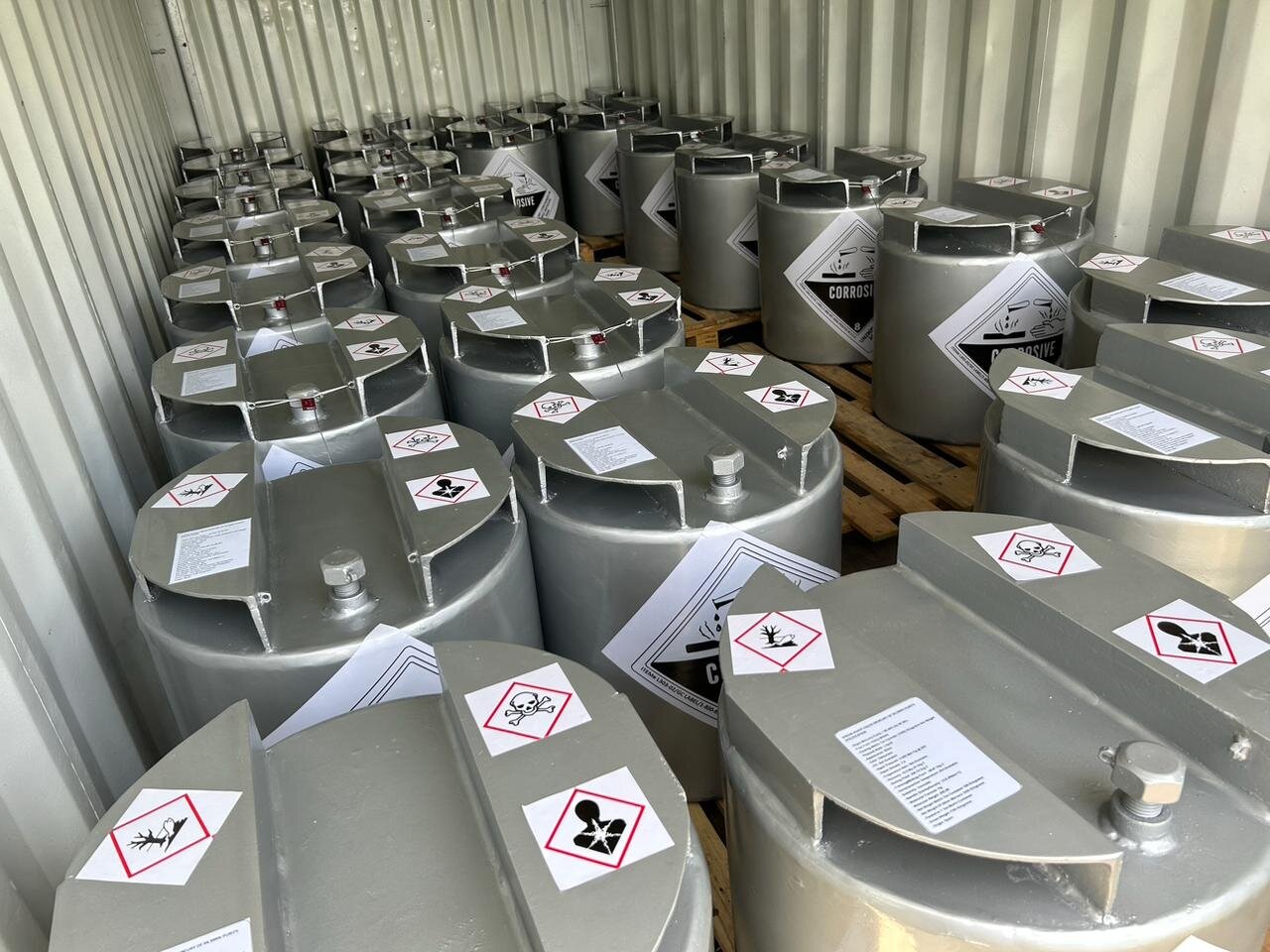
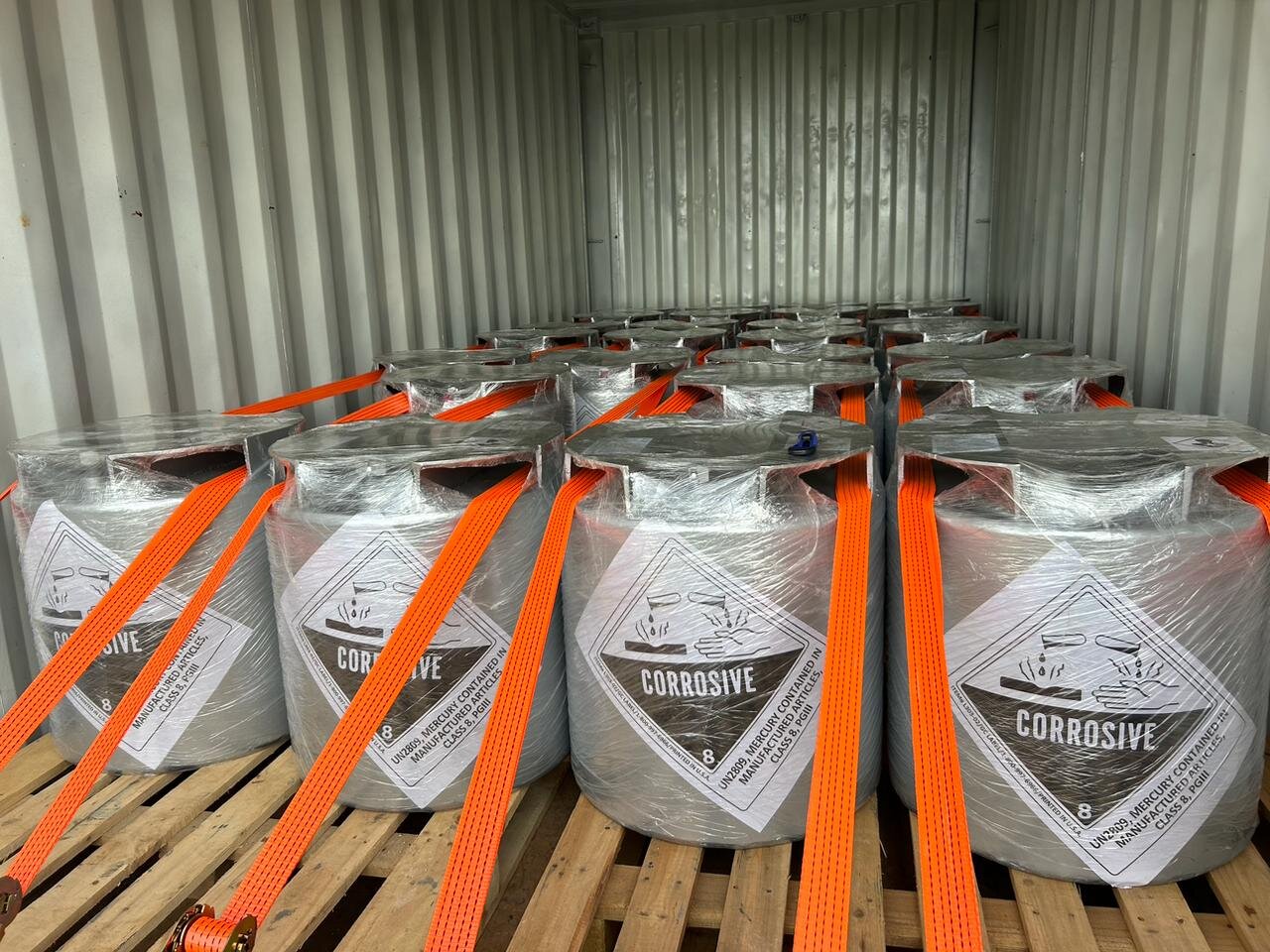
Packaging and Delivery Inner Packaging: Sealed tin-plated iron or steel cans, featuring screw-on closures fitted with PTFE or rubber gaskets; typically, each individual can contains 34.5 kg (alternatively, approximately 25.4 kg or 34.5 kg) of metallic mercury. Outer Packaging: The inner can is enclosed within a sturdy wooden crate or plywood box (Type 4C, 4D, or 4G), lined with moisture-absorbing or adsorbent material. Weight Limit: The net weight per outer package shall not exceed 35 kg (in accordance with GB 19434 and IMDG Code Packing Instruction P800). Palletization: Wooden crates are stacked on pallets and secured with shrink wrap.
Product application The most common applications of mercury involve the manufacture of industrial chemicals and its use in electronic or electrical products. Mercury is also utilized in thermometers, particularly those designed for measuring high temperatures. An increasing amount of gaseous mercury is currently employed in the production of fluorescent lamps, while many other applications have been gradually phased out due to health and safety concerns, replaced instead by Galinstan—an alloy of lower toxicity, albeit significantly more expensive. Additionally, mercury serves the following purposes: It can be used to extract gold from its ores; consequently, it is frequently utilized in gold mining operations. It is used in the manufacture of instruments such as barometers and diffusion pumps. Gaseous mercury is used in mercury vapor lamps. It is used to construct liquid-mirror telescopes. These telescopes utilize rotation to shape a liquid into a parabolic surface, which then serves as the primary mirror for astronomical observation; they cost only one-third the price of conventional telescopes. Other applications include: mercury switches, insecticides, processes for the production of chlorine and potassium hydroxide, preservatives, serving as electrodes in certain electrolytic devices, batteries, and catalysts.
Inquiry
Please feel free to submit yaour inquiry information to us. We will contact with you as soon as possible.
Privacy Policy
In order to provide you with a better browsing experience,
this website will use cookies. By clicking "Accept" or continuing to browse this website,
you agree to our use of cookies.